
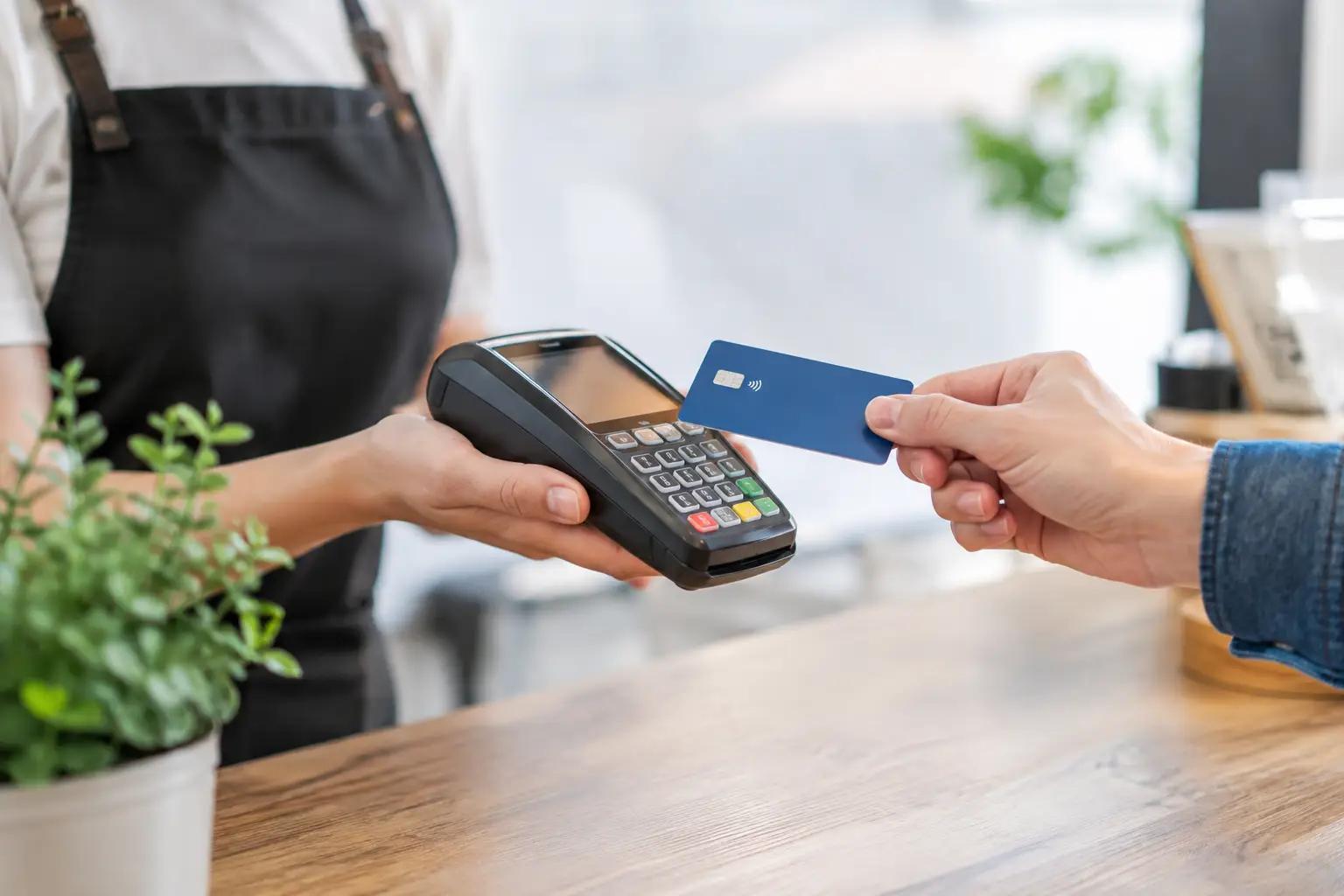
When payment is the last step of a purchase, it should not create a new queue, require staff intervention or introduce discrepancies at closing. This is precisely where Multibanco POS integration becomes relevant: it connects the payment terminal to the invoicing software, automated till or kiosk, making the process faster, better controlled and more consistent for the customer.
For a restaurant with very busy periods, a retail shop with several tills or a hotel with self check-in, the goal is not just to accept cards. It is to ensure each transaction is communicated correctly between systems, with no manual keying of amounts and no room for avoidable errors.
What is Multibanco POS integration?
Multibanco POS integration establishes communication between a payment terminal and the solution that manages the sale. This solution may be a traditional point of sale, an invoicing system, an automated cash machine, an ordering kiosk or a check-in platform.
In practice, the amount due is sent automatically to the terminal. The customer chooses the available payment method, taps or inserts the card and, once authorised, the result goes back to the system. The sale is recorded with the corresponding payment method, reducing the need for staff to confirm amounts or enter data manually.
This integration can take different architectures. In some projects, the terminal communicates directly with the POS through a certified protocol. In others, communication is handled by middleware or an integration application provided by the payments partner. The right solution depends on the equipment installed, the bank or acquirer, the management software and the level of automation required.
Why a standalone terminal limits the operation
A standalone terminal handles payment acceptance but does not eliminate manual tasks. The operator reads the amount on the POS screen, enters it on the terminal, waits for validation and returns to the system to complete the sale. It seems a short process, but repeated hundreds of times a day it becomes a real source of delays and errors.
The difference between keying in €18.50 and €185.00 is easy to spot, but it leads to voids, refunds and explanations to the customer. There are also less obvious situations: a payment approved on the terminal that is not correctly recorded in the POS, duplicate payments or discrepancies at the end of the shift.
With a well-implemented integration, the amount is transmitted by the system and confirmation comes back automatically. The team no longer manages two independent operations and instead follows a single sales flow. The gain is particularly visible in businesses with high volumes, peak times or rotating teams.
Operational benefits of Multibanco POS integration
The main advantage is fewer errors when entering amounts. However, Multibanco POS integration creates benefits that go beyond the counter and have a direct impact on day-to-day management.
First, it speeds up service. Fewer manual steps mean less time per transaction, a decisive advantage in quick-service restaurants, convenience stores, self-service launderettes or hotel receptions. When payment takes place within the same flow as the sale, customers perceive a more organised and predictable service.
It also improves financial control. By linking the sale to the payment actually approved, it is easier to compare till movements, electronic transactions and invoicing data. This consistency makes the daily close easier, reduces the need for manual checks and gives operations managers greater visibility of any exceptions.
There is also a security component. Staff handle less information and fewer amounts, while the process follows predefined rules. In automated environments, such as kiosks or unattended payment tills, this integration is essential for the service to run autonomously without losing traceability.
Integration in automated tills and kiosks
At a staffed point of sale, integration reduces tasks. In a self-service solution, it becomes central to the experience. Customers select products or services, confirm the order, pay at the terminal and receive validation in the same journey, without relying on a member of staff to complete the transaction.
In food service, a kiosk can send the order straight to the kitchen once payment is approved. This cuts queues at the counter and lets the team focus on preparation, delivery and customer support. Even so, the handling of cancelled orders, unavailable items and refunds must be defined carefully so that automation does not shift problems onto the team.
In hospitality, the logic is similar. A check-in kiosk can collect booking data, validate payment where applicable and proceed to issue a card or key. The integration must respect the workflows of the hotel management software and allow for exceptions, such as part-paid bookings, pre-authorisations or requests for company invoices.
In retail, the link between POS, terminal and cash management solutions contributes to a better-controlled till operation. Card payments are recorded in the system, while cash can be handled by an automated till that validates, counts and stores the money. They are separate but complementary flows that reduce exposure to errors at the end of the day.
What to check before going ahead
The decision should not start with the terminal. It should start with the service flow and compatibility between systems. An integration that is technically possible does not always meet the needs of the operation, especially when there are several sites, tills, self-service machines or management software already installed.
Before implementation, it is worth confirming four points:
- Compatibility between the POS software, the payment terminal, the bank or acquirer and the self-service equipment.
- The payment methods supported, including cards, contactless payment and other options relevant to your customers.
- Behaviour in the event of a communications failure, declined transaction, void, refund or payment approved without immediate confirmation in the system.
- Maintenance, technical support and each party’s responsibility when an incident occurs.
This last point deserves attention. An integration normally involves several partners: the POS supplier, the payment provider, the telecoms operator and the equipment integrator. Clearly defining responsibilities prevents an operational failure from going unresolved through lack of coordination.
Not every operation needs the same solution
A small shop with one till and few transactions can benefit from a simple integration, as long as the cost and maintenance are proportionate to the volume. A restaurant with several tills, a shopping centre with extended hours or a chain of launderettes, on the other hand, needs to think about scalability, monitoring and consistency across locations.
It is also important to distinguish between integrating a terminal at a staffed till and integrating payments into an unattended machine. In the latter case, you need to consider the on-screen experience, terminal accessibility, receipt management, recovery after failures and remote support. The solution should be designed for the real context of use, not just to demonstrate a technical feature.
SelfPay addresses this reality through specialised solutions for food service, retail, hospitality and self-service operations. The approach involves analysing the point of service as a whole: sale, payment, cash, transaction confirmation and customer support.
Implementing with a focus on the complete flow
Effective implementation starts by mapping the transaction journey, from the moment the customer places the order to the final record in the management system. Next, exception scenarios should be defined and tests carried out in conditions close to normal operation, including the busiest periods.
Staff training is still necessary, even when the goal is automation. Employees should know how to identify a pending transaction, guide a customer when a card is declined and apply the correct procedure for voids or refunds. Technology reduces repetitive work but requires clear processes for non-standard cases.
A well-chosen Multibanco POS integration is not just a link between devices. It is an operational decision that can reduce errors, shorten waiting times and strengthen control over every sale. When it is tailored to the sector and the pace of the business, payment stops being a point of friction and starts supporting more efficient service.